Occupational hygiene and industrial hygiene are two names for the same discipline: anticipating, recognising, evaluating and controlling workplace health hazards.
The difference is geographic vocabulary, not substance — but the two terms cause real confusion when searching for standards, qualifications and software.
The short answer
They are the same field. “Occupational hygiene” is the standard term in the UK, Australia and New Zealand; “industrial hygiene” is standard in North America. A professional may be called an occupational hygienist or an industrial hygienist depending on where they work.
Why there are two names
The discipline developed under different professional bodies — for example AIOH (Australia), BOHS (UK) and AIHA (United States) — which entrenched different vocabulary. “Industrial” reflects the field’s factory-era origins; “occupational” reflects its broader modern scope across all workplaces.
Is the work any different?
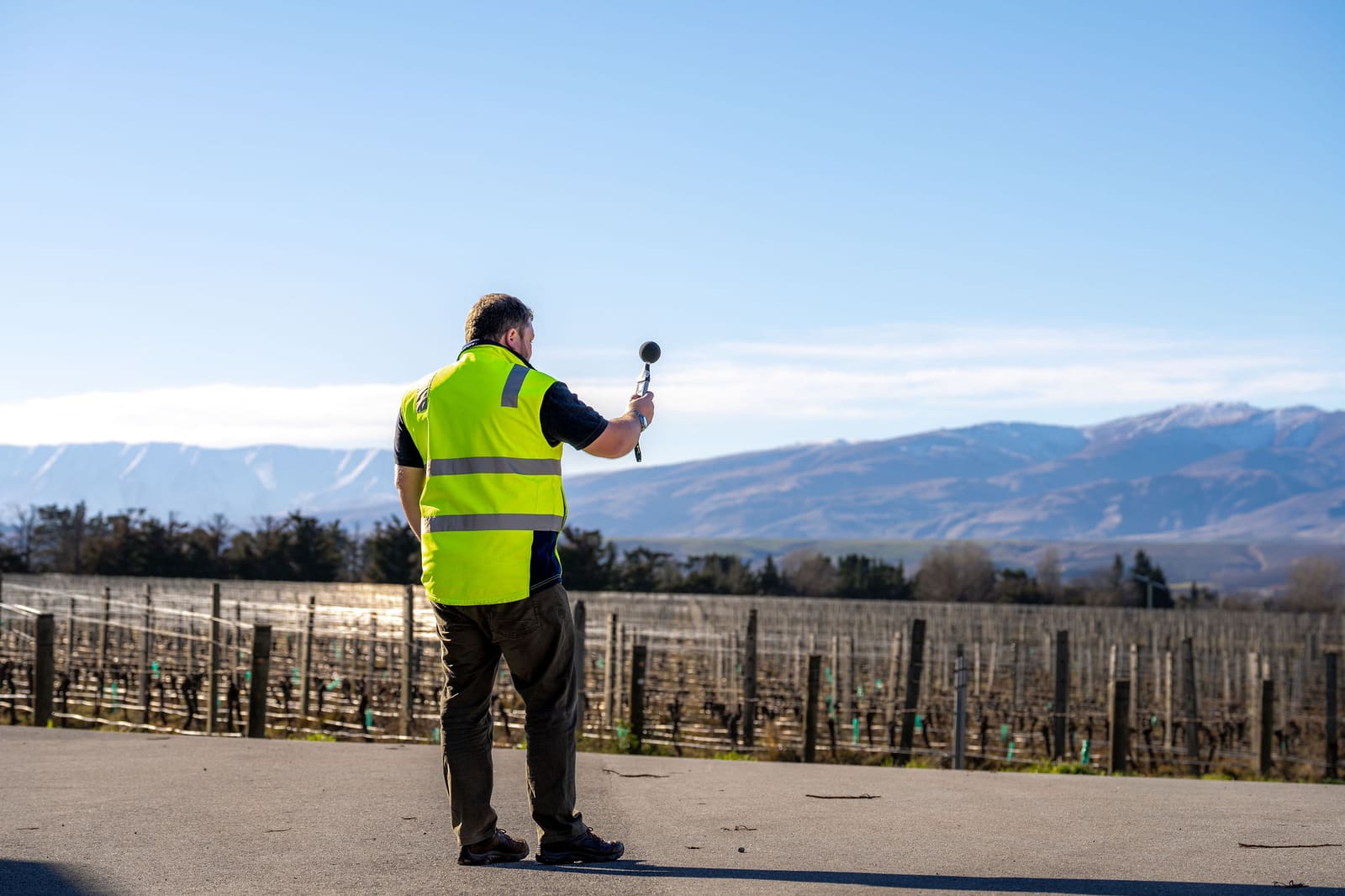
No. Both cover the same core: identifying chemical, physical, biological and ergonomic hazards, measuring exposures against occupational exposure limits, and recommending controls. The methods — SEG-based sampling, TWA comparison, and exposure statistics — are shared.
What about “industrial hygiene software”?
Because the terms are interchangeable, “occupational hygiene software” and “industrial hygiene software” mean the same thing. HazNode is built for both — see what industrial hygiene software does or the glossary.
Frequently asked questions
Is occupational hygiene the same as industrial hygiene?
Yes. They are two names for the same discipline. “Occupational hygiene” is used in the UK, Australia and New Zealand; “industrial hygiene” is used in North America.
What does an occupational (or industrial) hygienist do?
They anticipate, recognise, evaluate and control workplace health hazards — measuring exposures to chemicals, dust, noise and other agents, comparing them against exposure limits, and recommending controls to protect worker health.
Which term should I use?
Use whichever matches your region and audience. The work, the methods and the software are the same either way.